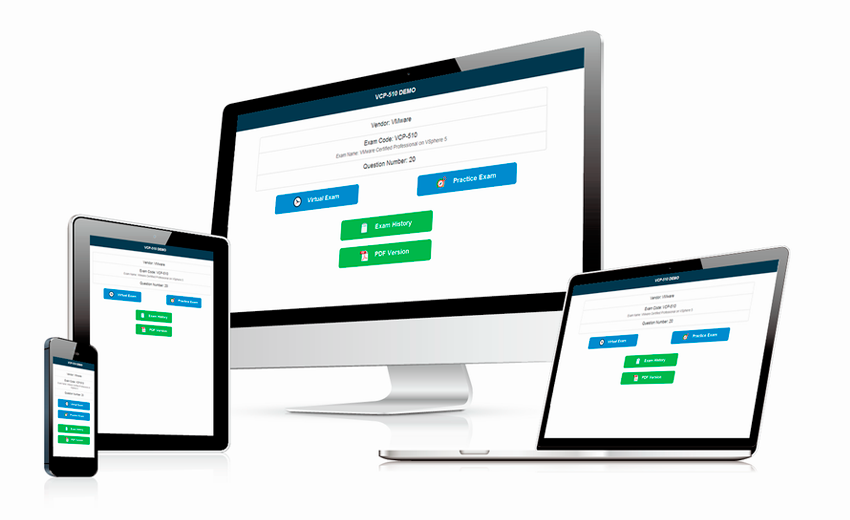
Free Demo


About Microsoft PL-400 Korean Exam Braindumps
A new science and technology revolution and industry revolution are taking place in the world. Under this circumstance, many companies have the higher requirement and the demand for the abilities of workers. There is no doubt that passing the Microsoft PL-400 Korean exam can make you stand out from the other competitors and navigate this complex world. A certification not only proves your ability but also can take you in the door for new life (with PL-400 Korean study materials). So it has very important significances of getting your favorable job, promotion and even pay-raise. What our company specializing in PL-400 Korean exam preparatory is helping our customer to pass exam easily. For that, we spent many years on researches of developing effective PL-400 Korean practice test and made it become the best auxiliary tool for the preparation. These PL-400 Korean study materials definitely are the best materials you have ever seen.

Microsoft PL-400 Exam Syllabus Topics:
| Topic | Details |
|---|---|
Create a technical design (10-15%) | |
| Validate requirements and design technical architecture | - design and validate the technical architecture for a solution - design authentication and authorization strategy - determine whether you can meet requirements with out-of-the-box functionality - determine when to use Logic Apps versus Power Automate flows - determine when to use serverless computing, plug-ins, or Power Automate - determine when to build a virtual entity data source provider and when to use connectors |
| Design solution components | - design a data model - design Power Apps reusable components - design custom connectors - design server-side components |
| Describe Microsoft Power Platform extensibility points | - describe Power Virtual Agents extensibility points including Bot Framework skills and Power Automate flows - describe Power BI extensibility points including Power BI APIs, custom visuals, and embedding Power BI apps in websites and other applications - describe Power Apps portal extensibility points including CRUD APIs and custom styling - describe Web Resources and their uses |
Configure Microsoft Dataverse (15-20%) | |
| Configure security to support development | - troubleshoot operational security issues - create or update security roles and field-level security profiles - configure business units and teams |
| Implement tables and columns | - configure tables and table options - configure columns - configure relationships and types of behaviors |
| Implement application lifecycle management (ALM) | - create solutions and manage solution components - import and export solutions - manage solution dependencies - create a package for deployment - automate deployments - implement source control for projects including solutions and code assets |
Create and configure Power Apps (15-20%) | |
| Create model-driven apps | - configure a model-driven app - configure forms - configure columns - configure visualizations - configure commands and buttons |
| Create canvas apps | - create and configure a canvas app - implement complex formulas to manage control events and properties - analyze app usage by using App Insights - build reusable component libraries |
| Manage and troubleshoot apps | - troubleshoot app issues by using Monitor and other browser-based debugging tools - interpret results from App Checker and Solution Checker - identify and resolve connector and API errors - optimize app performance including pre-loading data and query delegation |
Configure business process automation (5-10%) | |
| Configure Power Automate | - create and configure a flow - configure steps to use Dataverse connector actions and triggers - implement complex expressions in flow steps - implement error handling - troubleshoot flows by analyzing JSON responses from connectors |
| Implement processes | - create and configure business process flows - create and configure business rules - create, manage, and interact with business process flows by using server-side and clientside code - troubleshoot processes |
Extend the user experience (10-15%) | |
| Apply business logic using client scripting | - create JavaScript or TypeScript code that targets the Client API object model - register an event handler - create client-side scripts that target the Dataverse Web API |
| Create a Power Apps Component Framework (PCF) component | - describe the PCF component lifecycle - initialize a new PCF component - configure a PCF component manifest - implement the component interfaces - package, deploy, and consume the component - configure and use PCF Device, Utility, and WebAPI features - test and debug PCF components by using the local test harness |
| Create a command button function | - create commands - design command button rules and actions - edit the command bar by using the Ribbon Workbench - manage dependencies between JavaScript libraries |
Extend the platform (15-20%) | |
| Create a plug-in | - describe the plug-in execution pipeline - design and develop a plug-in - debug and troubleshoot a plug-in - implement business logic by using pre-images and post-images - perform operations on data by using the Organization service API - optimize plug-in performance - register custom assemblies by using the Plug-in Registration Tool - develop a plug-in that targets a custom action message |
| Create custom connectors | - create a definition for the API - configure API security - use policy templates to modify connector behavior at runtime - expose Azure Functions as custom connectors - create custom connectors for public APIs by using Postman |
| Use platform APIs | - interact with data and processes by using the Dataverse Web API or the Organization Service - implement API limit retry policies - optimize for performance, concurrency, transactions, and batching - query the Global Discovery service to discover the URL and other information for an organization - perform entity metadata operations with the Web API - perform authentication by using OAuth |
| Process workloads | - process long-running operations by using Azure Functions - configure scheduled and event-driven function triggers in Azure Functions - authenticate to the Microsoft Power Platform by using managed identities |
Develop Integrations (5-10%) | |
| Publish and consume events | - publish an event by using the API - publish an event by using the Plug-in Registration Tool - register service endpoints including webhooks, Azure Service Bus, and Azure Event Hub - implement a Dataverse listener for an Azure solution - create an Azure Function that interacts with Microsoft Power Platform |
| Implement data synchronization | - configure entity change tracking - read entity change records by using platform APIs - create and use alternate keys |
Exam PL-400: Microsoft Power Platform Developer is a great way to establish yourself among other professionals in the Microsoft Power Platform field. Passing it also helps to demonstrate your competence to perform the design, troubleshooting, and development of Power Platform solutions at the intermediate level.
Reference: https://docs.microsoft.com/en-us/learn/certifications/exams/pl-400
How to Prepare for PL-400 Exam?
Thinking of PL-400 exam is one thing and passing it on the first try is another. It will only be possible when you are referring to quality study material. Vendor, for training, and Amazon, for self-study resources are the most preferred choices of the majority of the test-takers.
Diverse version for choice
In view of the different requirements of our customers from all walks of life, we have developed three versions of PL-400 Korean practice test (the PDF version, PC engine version and APP version) for you reference. Different versions have different advantages, but you can choose any combination of the different version. So it means that you can take more targeted approach to correct mistakes. The PC engine version of PL-400 Korean study materials has the impeccable simulation system for your test. Lastly, the APP version of PL-400 Korean exam preparatory can be installed on your smartphone. You just need download the content you wanted, and then you can learn it whenever, even you are on offline state.
High passing rate
According to the feedbacks from our former customers, the passing rate of our PL-400 Korean practice test has reached up to 95% to 99%. In other words, a person who has used our products can almost pass the actual exam. We can avouch for the quality of our PL-400 Korean study materials because we have ever mobilized a large number of experts to investigate the true subject of past-year exam. If you become the failure with our PL-400 Korean exam preparatory unluckily, we will give you full refund with no reason or you can exchange another version of equivalent exam materials of great help. This kind of situation is rare, but we give you the promise as a protection for your benefits
After purchase, Instant Download: Upon successful payment, Our systems will automatically send the product you have purchased to your mailbox by email. (If not received within 12 hours, please contact us. Note: don't forget to check your spam.)
Absolutely based on real exam
Our company insists on communicating with our customers can make us improve the quality of our PL-400 Korean exam preparatory. After the researches of many years, we found only the true subject of past-year exam was authoritative and had time-validity. So, according to the result of researches which made by our experts, we develop the new type of PL-400 Korean practice test based on the true subject of past-year exam. At the same time, we will continually make amendment to the PL-400 Korean study materials and make sure it is suitable to the latest exam. If you have any doubts about the quality of our PL-400 Korean exam preparatory, we will provide free demo for your reference.
Topics of the Microsoft PL-400 Exam:
The exam is related to the following topics:
Secure data in cloud-based applications using SSL encryption methods. Smarter data protection using advanced key management, certificates, and encryption. Extensibility of security by using Trusted Application Provider.
Design and develop highly scalable applications using Windows Azure, Windows Server, and Windows Client. Dynamics, features, and capabilities of the Windows Azure platform. Automation of business processes through the use of Windows PowerShell.
Implement effective solutions for monitoring and managing web servers in a cloud environment. Loads, vulnerabilities, and performance. Model and implement rules and security features. Content security, IP blocking, and SQL security.
Create highly scalable solutions that integrate on-premise applications with Windows Azure-based services. Connector capabilities include creating, connecting, disconnecting, and managing connectors. Managed Code, IntelliSense, and Code Tools.
Manage and monitor Windows Azure-based services. Components include Diagnostics, Storage, Availability Sets. Operations such as creating, deleting, scaling, or changing settings. Technical support functions including provisioning, automation, and monitoring.
Design and implement secure user authentication and authorization using Windows Authentication, Active Directory, and Windows Azure. Update security configurations, roles, and permissions. Players involved in the process include users, administrators, services, SQL Server, and Windows Azure.
Design and implement cloud-based solutions to store, access, manipulate, and secure large amounts of data. Select, create, restore, and manipulate database structures for Windows Azure-based applications. Tournaments test to ensure any data stored in the database is secure.
Create highly reliable, predictable, and cost-effective solutions that integrate with on-premise applications and infrastructure. Organization structure, including external dependencies. Industry acceptance for business process changes.